
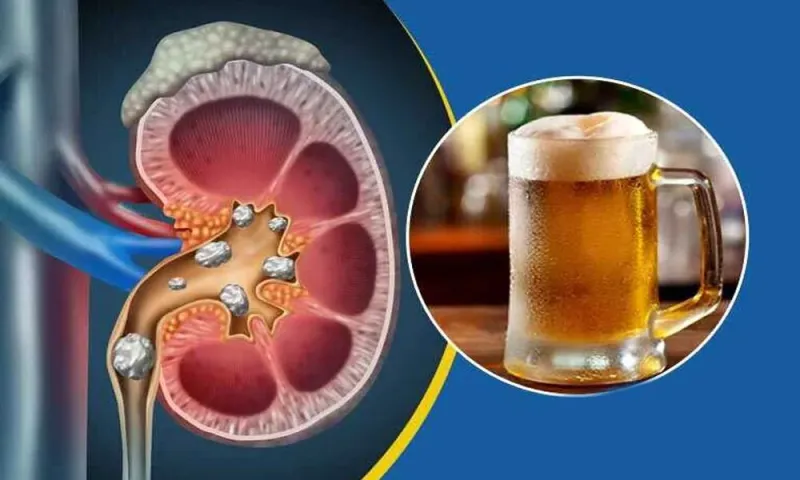
Alcohol doesn’t just affect the brain and liver—it also impacts the kidneys, the body’s natural filters. While moderate drinking might not cause immediate harm, excessive or frequent alcohol use can damage the kidneys in multiple ways, sometimes permanently.
1. Alcohol and Dehydration
Alcohol acts as a diuretic, increasing urine output and leading to dehydration. When dehydrated, the kidneys struggle to regulate fluids, electrolytes, and acidity. Repeated drinking worsens this effect, putting extra stress on the organs and increasing the risk of long-term malfunction.
2. Alcohol and High Blood Pressure
Excessive alcohol raises blood pressure, one of the leading causes of kidney disease. It can also interfere with medications prescribed for hypertension, reducing their effectiveness and compounding the risk.
3. The Kidney–Liver Connection
The liver processes most of the alcohol consumed. When it’s overwhelmed or damaged, the kidneys must compensate by filtering more toxins from the blood. This overwork accelerates kidney dysfunction.
4. Alcohol and Type 2 Diabetes
Heavy drinking contributes to type 2 diabetes, another major risk factor for kidney disease.
- Alcohol is calorie- and carbohydrate-dense, spiking blood sugar levels.
- It reduces insulin sensitivity.
- It stimulates appetite, often leading to overeating.
Over time, this combination increases the likelihood of diabetes-related kidney damage.
5. Acid–Base Imbalance
The kidneys regulate the body’s acid-base balance, which is critical for healthy metabolism. Alcohol disrupts this regulation, making it harder for the body to maintain proper acidity levels in blood and tissues.
6. Alcohol and Kidney Stones
While alcohol does not directly cause stones, it raises the risk by:
- Increasing uric acid through its high purine content (leading to uric acid stones).
- Promoting dehydration, which favors the formation of calcium oxalate stones.
Some studies suggest beer may help flush out small stones due to increased urination, but the risks of dehydration and further stone formation outweigh any benefits.
7. How Much Is Too Much?
- Women: fewer than 3 drinks per day (under 7 per week).
- Men: fewer than 4 drinks per day (under 14 per week).
Exceeding these limits can quickly overwork the kidneys. Binge drinking is especially dangerous, as it may lead to acute kidney injury requiring dialysis.
Always consult a healthcare provider, especially if taking medications that may harm the kidneys when combined with alcohol.
8. Why Kidneys Hurt After Drinking
Kidney pain after alcohol use can indicate:
- Dehydration
- Kidney infection or disease
- Liver disease
- Kidney stones
- Alcohol poisoning
If pain is accompanied by fever, vomiting, painful urination, or fatigue, medical attention is necessary.
9. Treatment for Alcohol-Related Kidney Problems
The safest approach is moderation or abstinence. If kidney-related symptoms appear, professional evaluation is crucial.
For those struggling with alcohol dependence, counseling, detox programs, and rehabilitation services can help manage both addiction and kidney health. Early intervention improves recovery outcomes and reduces the risk of permanent kidney damage.
